Structure That Supports Long-Term Growth
Tree Pruning in Paducah for properties with dead wood, crossing limbs, or unbalanced canopy development
Weak branch unions and interior deadwood don't resolve themselves—they accumulate until wind load or ice weight causes failure. Lamb Brothers Tree Service provides tree pruning in Paducah and Murray for residential and commercial properties where selective removal improves structural integrity and redirects growth energy into productive scaffold branches. Clients schedule pruning when storm damage leaves hanging limbs, when young trees develop competing leaders, or when mature canopies show signs of overcrowding and light starvation in the interior.
Pruning removes branches that compete for the same space, cuts back diseased tissue before pathogens spread, and opens the canopy so air circulation reduces fungal pressure on leaves and bark. Each cut is placed to encourage lateral growth or to eliminate limbs with narrow crotch angles that split under load.
Arrange an on-site assessment to identify which branches compromise structure and which cuts will improve canopy balance.
How Pruning Addresses Structural Weaknesses
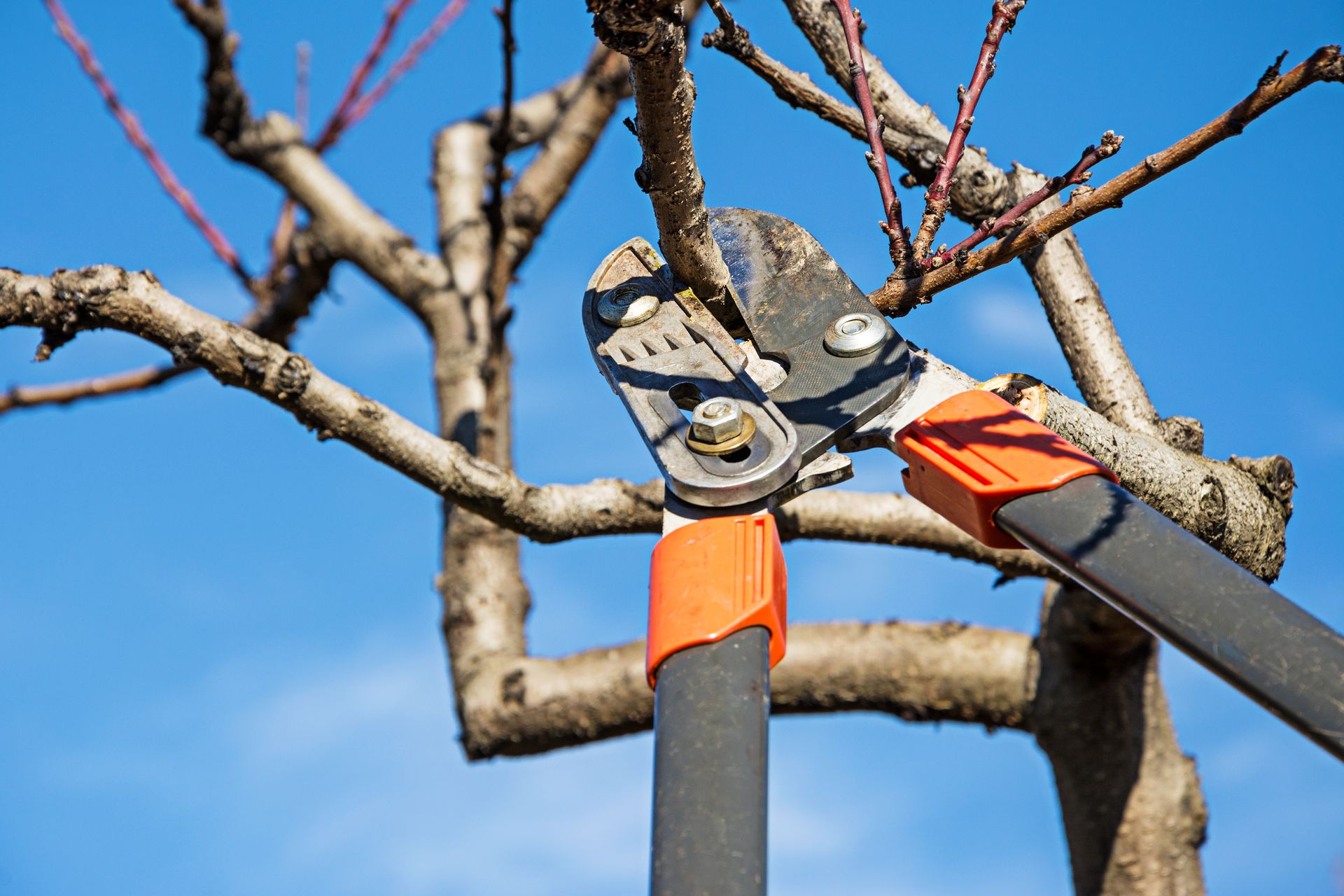
Pruning targets specific defects: co-dominant stems that create weak unions, branches growing inward toward the trunk, and limbs with included bark that never fuse properly. Removing these before they mature prevents splits that damage the main trunk and create entry points for decay organisms. For younger trees, early pruning establishes a central leader and well-spaced lateral branches that form a stable framework as the tree adds girth.
Once pruning is complete, the canopy appears more open with visible spacing between major limbs, deadwood and damaged sections are gone, and the remaining branches form a structure that distributes weight evenly across the trunk. Light penetrates deeper into the canopy, and foliage density increases on the branches that remain because they're no longer competing with unproductive wood.
Pruning doesn't replace trimming for clearance work—it addresses health and form rather than proximity to structures. Some trees benefit from annual attention, while others require intervention only when defects become visible or after storm events create sudden damage.
What Property Owners Usually Ask
Clients throughout Paducah and Murray want to know how pruning differs from other tree work and when it's necessary.
1. Why prune instead of just trimming back overgrown areas?
Pruning removes defects and redirects growth, while trimming only shortens length—a tree can be heavily trimmed and still have structural problems that pruning addresses.
2. How do you decide which branches to remove?
Branches are evaluated for angle, attachment strength, disease presence, and position within the canopy, with cuts prioritizing those that pose the highest risk of failure or that block resources from reaching healthier limbs.
3. What does crossing branch removal accomplish?
Limbs that rub against each other create wounds where bark is worn away, and these openings allow fungi and insects to colonize the tree, so removing one of the crossing pair prevents ongoing damage.
4. How does pruning affect trees in western Kentucky's climate?
High humidity during spring and summer increases fungal disease pressure, so opening the canopy through pruning improves airflow and reduces moisture retention on leaves and bark.
5. What's the recovery period after pruning?
Trees compartmentalize wounds within weeks, though visible closure of larger cuts takes multiple growing seasons depending on species and cut size.
Lamb Brothers Tree Service prunes trees for clients who need structural defects corrected and canopy health restored. Set up a consultation to walk the property and determine which trees will benefit from selective branch removal.