Branches That Stay Clear of Structures
Tree Trimming in Murray for properties where growth threatens roofs, power lines, or safe access
Overgrown branches cause predictable problems: limbs scraping siding during wind events, canopy weight stressing trunk structure, and foliage blocking sunlight from landscapes below. Lamb Brothers Tree Service handles tree trimming in Murray for residential and commercial properties where controlled crown reduction and selective limb removal restore clearance and reduce hazard exposure. Property owners schedule trimming when branches extend over structures, when storm damage creates hanging wood, or when routine maintenance prevents costlier removals later.
The service involves climbing or bucket access to target areas, cutting at lateral branch unions to preserve cambium health, and removing weight from ends while maintaining the tree's natural shape. Trimming differs from topping—cuts are made at growth nodes where energy redirects into remaining branches rather than forcing weak sprout clusters. Each cut location determines how the tree allocates resources over the following growing seasons.
Schedule a property walkthrough to identify which limbs require removal and which pruning approach suits each tree species.
What Proper Trimming Requires
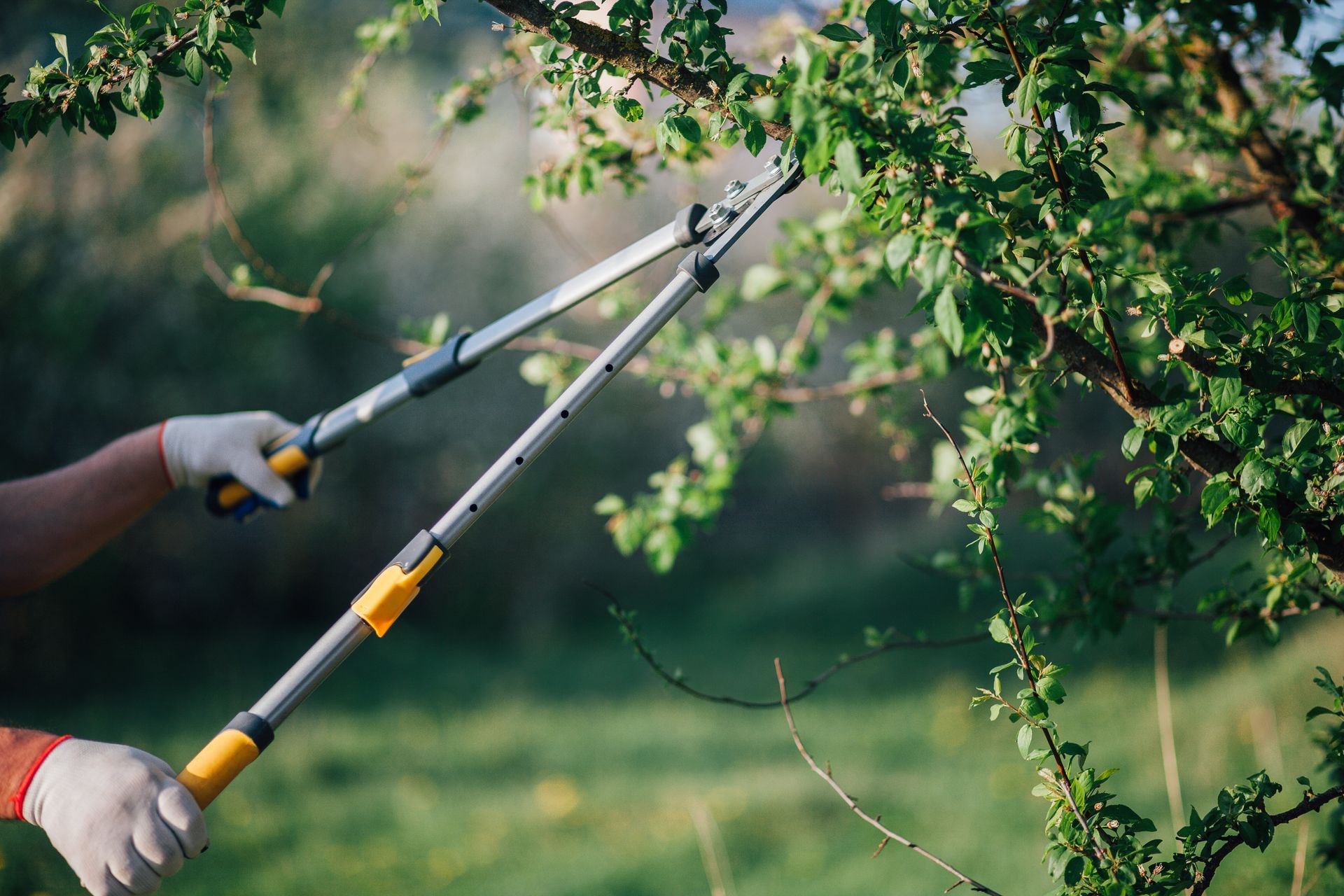
Trimming begins with identifying which branches to remove based on clearance needs, structural defects, and growth direction. Cuts are made outside the branch collar—the swollen area where the limb meets the trunk—so the wound compartmentalizes correctly and decay doesn't track into the main stem. For larger limbs, a three-cut method prevents bark from tearing down the trunk when the branch falls.
After trimming, you'll notice increased light reaching the ground, reduced canopy density that allows wind to pass through rather than catch and stress limbs, and clear separation between foliage and any structures that were previously contacted. Dead wood and crossing branches are gone, and the remaining scaffold holds a balanced shape that directs future growth outward rather than inward or downward.
Timing affects how trees respond to cuts—late winter trimming minimizes sap loss and insect attraction, while summer trimming allows you to see the full canopy and make precise decisions about which growth to keep. Some species close wounds faster when trimmed during dormancy, while others tolerate cuts year-round without increased disease risk.
Common Questions About This Service
Property owners in Murray often ask about timing, clearance distances, and how trimming affects tree health over time.
1. What's the difference between trimming and pruning?
Trimming focuses on reducing length and clearing space around structures or utilities, while pruning targets diseased, dead, or structurally weak wood to improve tree health and form.
2. How close can branches be to a roof before they need trimming?
Branches within six feet of a roof create pathways for rodents, drop debris into gutters, and scrape shingles during wind events, so maintaining clearance prevents both damage and pest access.
3. When is the best time to trim trees in Murray?
Late winter before bud break minimizes stress and sap flow, though storm-damaged or hazardous limbs should be addressed immediately regardless of season.
4. How much of the canopy can be removed at once?
Removing more than 25 percent of the canopy in a single session forces the tree to divert energy into recovery rather than growth, so heavy reduction is staged across multiple years when possible.
5. What happens to the branches after trimming?
All cut material is removed from the property, chipped for mulch, or processed as firewood depending on size and condition, leaving the site clear of debris.
Lamb Brothers Tree Service trims trees for residential and commercial clients who need clearance restored without compromising tree structure. Request an evaluation to review which limbs require cutting and how the work fits your property's maintenance plan.